Are carnival games considered haram in Islam? This crucial question guides many Muslims seeking to understand the permissibility of participating in these popular attractions. The topic is quite nuanced, touching on aspects like gambling, skill versus chance, and the overall intent behind such activities. Understanding different Islamic interpretations can really help you navigate this common dilemma. We'll dive into what scholars say about games of chance, prizes, and entertainment value. This guide aims to provide clear, actionable insights for those curious about their faith's stance. It's truly a widespread query with many layers to explore.
Latest Most Asked Questions about Carnival Games and Islam
Understanding whether carnival games align with Islamic principles can be quite complex, as the permissibility often depends on various factors. This ultimate living FAQ aims to provide clear answers to common queries, constantly updated to offer the latest insights into this nuanced topic. We'll explore the distinctions between games of chance and skill, the nature of prizes, and how different Islamic scholars interpret these modern forms of entertainment. Dive in to clarify your doubts and make informed decisions about participating in carnival fun.
Are carnival games considered gambling (maysir) in Islam?
Many carnival games can indeed fall under the definition of gambling if they involve putting a monetary stake on an outcome primarily determined by chance, with the winner taking all. Islam strictly prohibits maysir due to its potential for addiction, financial ruin, and fostering greed. If the game's design heavily favors chance over genuine skill, it likely leans towards being impermissible.
What makes a carnival game halal or haram?
A carnival game's permissibility largely depends on the balance between skill and chance, and the value of the prize. If a game genuinely requires skill and the prize is nominal, it's more likely considered permissible entertainment. Conversely, if it's predominantly luck-based with a valuable prize, it often falls into the haram category of gambling. Intention also plays a key role.
Can Muslims play carnival games if the prizes are only small toys?
Playing carnival games for small, low-value prizes like plush toys or trinkets is generally viewed more leniently by some scholars. The argument is that the primary motivation becomes entertainment or a simple challenge, rather than financial gain. However, excessive spending to win even small items might still be discouraged as wasteful.
Is it permissible to play carnival games that require skill, like shooting hoops?
Games requiring genuine skill, such as basketball throws or dart games, are often considered more permissible, especially if the entry fee is reasonable and the prize is symbolic. The focus is on demonstrating ability rather than relying purely on chance. However, if the game is rigged or designed to make winning almost impossible, it shifts back towards a game of chance.
Do all Islamic scholars agree on the permissibility of carnival games?
No, there isn't a universal consensus among Islamic scholars regarding carnival games. Some adopt a stricter view, advising avoidance due to the inherent elements of chance and potential for exploitation. Others are more lenient, particularly for skill-based games with nominal prizes, emphasizing intent and minimal financial risk. It highlights the nuanced nature of modern fiqh.
What about spending too much money on carnival games? Is that haram?
Spending excessively on carnival games, even if the games themselves are deemed permissible, can be considered wasteful (israf), which is discouraged in Islam. Muslims are encouraged to be moderate in all expenditures and avoid extravagance. If playing leads to financial strain or neglects other responsibilities, it becomes problematic regardless of the game's specific ruling.
Still have questions?
Many people wonder about the grey areas. Perhaps you're curious about specific types of amusement park games or digital versions. What exactly are your main concerns?
Hey everyone! I often see people asking, "Are carnival games haram?" and honestly, it's a super common question that comes up a lot. You're not alone if you've ever pondered this while walking past those brightly lit stalls at a fair. It's a tricky area because, for many, carnival games are just harmless fun and a way to win a cute prize.
But for those of us trying to live according to Islamic principles, it makes perfect sense to question whether these activities align with our faith. The truth is, there isn't a simple yes or no answer that applies universally to every single game out there. It really depends on specific details and how different scholars interpret the core Islamic texts.
Understanding Haram and Halal in Islamic Principles
So, before we even get into carnival games, let's quickly clarify what "haram" and "halal" actually mean in Islam. Halal refers to anything permissible, lawful, and good in the eyes of Allah. Conversely, haram signifies actions or items that are forbidden, unlawful, and generally considered harmful or sinful. This distinction guides Muslims in all aspects of life.
It's important to remember that Islamic law, or Sharia, isn't just about rules. It's about promoting well-being, justice, and purity in society. When we talk about games, the main concerns usually revolve around elements like gambling, excessive waste of time, or any form of deception. These are key areas to consider.
The Core Concern: Gambling (Maysir)
Honestly, the biggest reason why people usually question carnival games is the potential for gambling, which is known as maysir in Arabic. Islam strictly prohibits gambling because it involves gaining wealth through chance, often at someone else's loss, without any productive effort. It can lead to addiction, financial ruin, and disputes among people.
The Quran is very clear on this, explicitly condemning alcohol and gambling as works of Satan. So, if a carnival game definitely falls under the definition of gambling, then it's without a doubt considered haram. This is a fundamental principle that guides all related discussions and interpretations.
Defining Gambling in the Context of Games
But what actually constitutes gambling when we're talking about games? Generally, it involves three main elements: a monetary stake from both parties, an outcome that depends largely on chance, and the winner taking the stakes. If all three are present, then it's usually categorized as gambling. This definition is crucial for assessing any game.
Some scholars also emphasize that if you're putting money down with the *primary intention* of winning more money or a valuable prize through sheer luck, that's often seen as gambling. It's about the intention and the mechanism of the game itself. This nuance is really important to grasp.
Carnival Games: Skill Versus Chance
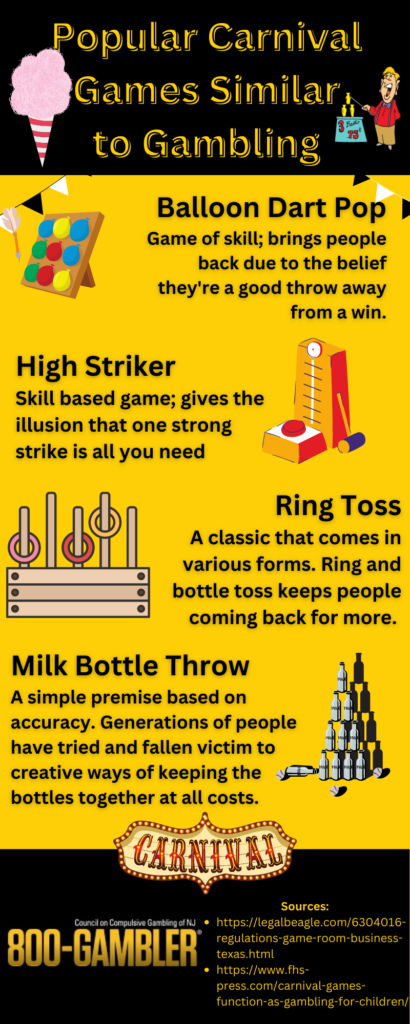
This is where things get a bit more complex, because carnival games aren't all built the same. Some games, like the ring toss or basketball shoot, seem to involve a degree of skill. You're physically aiming or throwing, which isn't purely random. You might think, "Hey, I'm actually trying here!"
However, many carnival games are famously rigged or designed to be incredibly difficult to win, even with skill. This makes the element of chance much higher than it appears. The operators often make it seem like skill is the key, but the odds are usually stacked heavily against the player. This is a common complaint about fair games.
Games Primarily Based on Chance
Think about games like the 'duck pond' where you pick a duck, or the 'roulette wheel' style games where you spin to win a prize. These are almost entirely based on luck. You're not really using any physical or mental skill to influence the outcome. Your success is purely random, which strongly hints at maysir. These types of games are generally viewed with more skepticism.
So, if your participation in a game offers no genuine opportunity to influence the outcome through your own ability, and your monetary stake is returned only if you win by chance, then it leans very heavily towards being impermissible. It becomes a lot like a lottery, unfortunately.
Games with an Element of Skill
What about games where genuine skill *does* play a role, like shooting hoops or throwing darts? If you're paying a fee to demonstrate your skill and win a prize, some scholars might argue that this isn't strictly gambling. You're essentially paying for an experience or a challenge, and the prize is a reward for your performance. This makes sense to many people.
However, the amount of skill required and the fairness of the game's setup are vital. If the game is designed to make winning almost impossible, even for a skilled player, then the 'skill' argument weakens significantly. It essentially reverts to being a game of chance despite appearances. We've all seen those impossible hoops, right?
The Nature of Prizes and Winnings
Another really important aspect to consider is the nature of the prize. Is the prize itself valuable in a monetary sense, creating an incentive for gambling? Or is it a nominal token or souvenir that holds little intrinsic worth? This difference can sometimes influence the permissibility ruling. Let's explore this more.
Prizes with Monetary Value
If the prize you're playing for has significant monetary value, like cash or a high-end electronic gadget, then the game quickly starts resembling a lottery or pure gambling. The allure of winning something expensive can drive people to spend more than they can afford. This is exactly what Islam aims to prevent, fostering moderation and responsibility.
This scenario definitely raises red flags for most Islamic scholars. The intention becomes less about enjoying a game and more about hoping to 'get rich quick' through chance. This is a problematic mindset within Islamic teachings, as it encourages greed and reliance on luck rather than hard work.
Prizes with Little or No Monetary Value
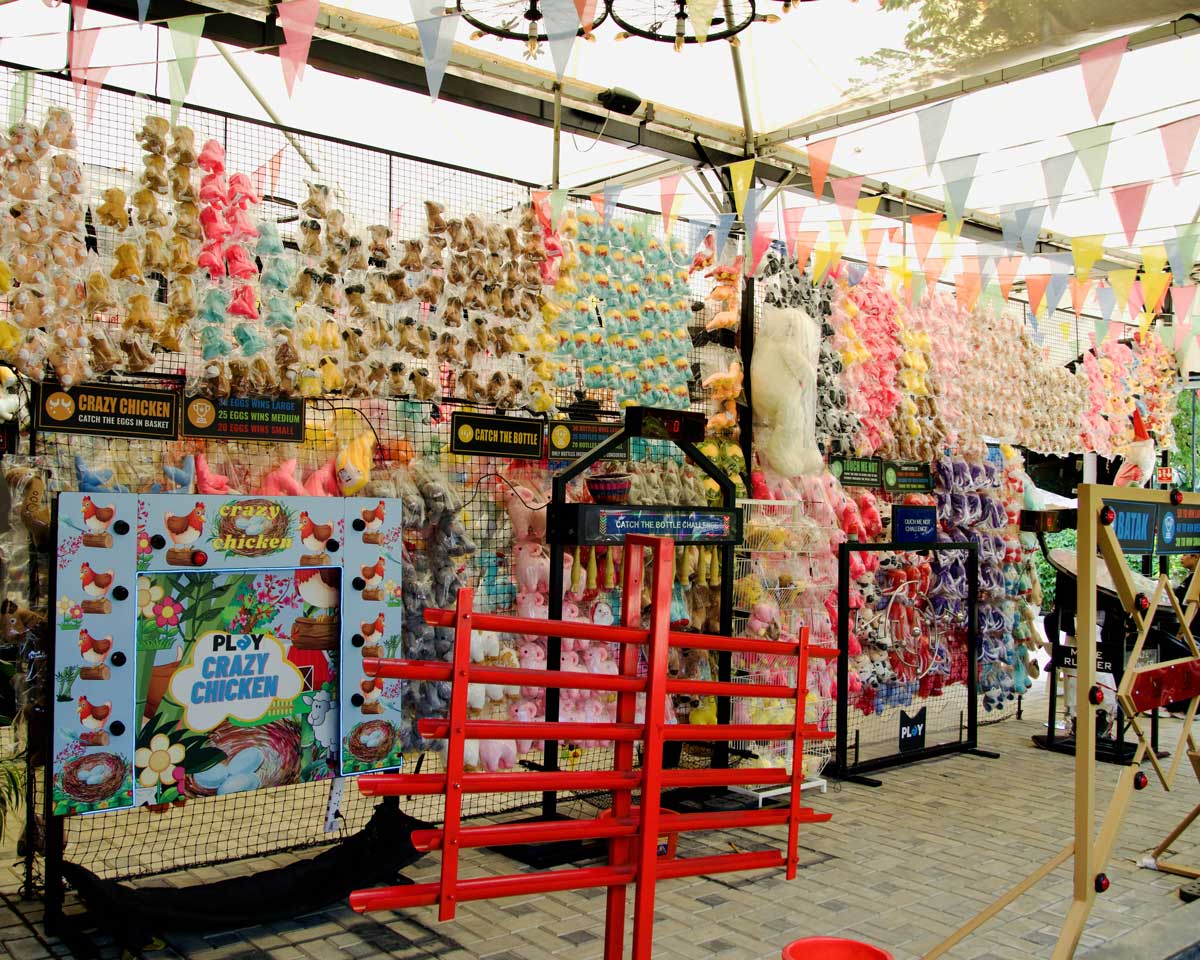
On the other hand, if you're playing a game for a small, inexpensive plush toy or a novelty item, the argument against it being gambling becomes stronger. The monetary value of the prize is so low that it's unlikely to be the primary incentive for playing. People are usually playing for the fun of it, or the challenge. Think about winning a small plastic ring.
In such cases, the game might be viewed more as pure entertainment where you pay a small fee to participate, and the prize is a symbolic reward for effort or just a keepsake. It doesn't really create the same kind of financial risk or predatory environment associated with true gambling. This distinction often matters in rulings.
Excessive Spending and Waste of Time (Israf)
Beyond gambling, Islam also teaches against excessive spending and wasting time, known as israf and tabdhir. While a little fun is certainly allowed and encouraged, spending huge sums of money on carnival games that offer very little return can be seen as wasteful. It's about balance and moderation in all things.
If you find yourself pouring money into games, trying desperately to win a prize, it might be time to step back and reflect. This kind of behavior could easily cross into the realm of extravagance and poor financial management, which is discouraged. It's important to be mindful of your resources and intentions. Don't go overboard, basically!
Prioritizing Responsibilities
Also, if playing carnival games leads to neglecting your religious duties or other responsibilities, then it becomes problematic. For example, missing prayer times or neglecting family obligations because you're caught up in gaming. Islam emphasizes fulfilling your duties first. Entertainment should never overshadow your core responsibilities.
It's all about finding a healthy balance between leisure and life's more serious commitments. A little recreational activity is fine, but it shouldn't consume your time or resources excessively. Be smart about how you spend your time and your hard-earned money. That's always a good rule.
Different Interpretations and Scholar Views
You'll find that different Islamic scholars and schools of thought might have slightly varying opinions on this topic. This isn't unusual, as interpreting religious texts to fit modern situations often requires nuanced reasoning. It's why seeking knowledge from diverse sources can be beneficial. Nobody has all the answers.
The Strict View
Some scholars adopt a stricter stance, arguing that most carnival games, by their very nature, contain elements of chance and a monetary stake. They might view even nominal prizes as an incentive that pushes the activity towards the realm of gambling. They'd rather err on the side of caution. This perspective highlights the importance of avoiding doubtful matters completely.
For them, the potential for exploitation or the illusion of skill in rigged games makes them inherently problematic. They would advise Muslims to avoid such games entirely to safeguard their faith and finances. It's a very protective approach, which some people prefer to follow.
The More Lenient View
Other scholars take a more lenient approach, especially if the game genuinely involves skill and the prize is insignificant. If the primary intention is entertainment and not financial gain, and if no significant money is lost, they might consider it permissible. They focus on the spirit of the law, not just the letter.
They would argue that casual fun, paid for as an experience, is not the same as systematic gambling. For these scholars, the key is the absence of a strong element of maysir and any severe financial exploitation. They recognize the need for healthy leisure and social activities within Islamic guidelines. It's about balance, you know?
What About Arcade Games or Video Games?
This discussion naturally leads to questions about other types of games, like arcade games or modern video games. Generally, if you pay to play an arcade game (like racing or fighting games) and don't win a prize with monetary value, or you win tickets that can be redeemed for very low-value items, it's usually considered permissible entertainment. There's no gambling element. You're simply paying for the experience.
The issue arises if these games involve betting real money or if the prizes are highly valuable and predominantly won by chance. However, most standard arcade and video games are seen as acceptable forms of recreation, provided they don't lead to addiction, neglect of duties, or expose one to haram content. So, no Grand Theft Auto marathons when you should be praying!
My Take on the "Are Carnival Games Haram" Question
Honestly, I think it boils down to individual discernment and conscious choices. If you're going to a carnival, you've got to ask yourself a few questions about each game before playing. Is it truly a game of skill, or is it heavily rigged? Are you putting down money hoping to win a valuable item through sheer luck? What's your real intention here?
If a game clearly involves a financial stake with a significant chance-based reward, then I'd say it's best to steer clear. But if it's a game where you're just having a bit of fun, testing a basic skill, and the prize is a cheap token or purely symbolic, then it might be okay. Just remember to be mindful of your spending and time. Don't go broke trying to win a giant teddy bear, okay?
Conclusion: Making Informed Choices
So, the question "Are carnival games haram?" doesn't have a one-size-fits-all answer. It's a nuanced topic that requires careful consideration of several factors. We've talked about the presence of gambling, the role of skill versus chance, the monetary value of prizes, and the potential for excessive spending or wasting time. Resolving this often comes down to weighing these factors. It's all about making informed choices that align with your personal understanding of Islamic principles. Always try to seek knowledge and clarity. Does that make sense? What exactly are you trying to achieve when you play these games?
Carnival games permissibility in Islam, Gambling in Islam, Games of chance and skill in Islam, Prizes and winnings in Islam, Entertainment in Islam, Islamic rulings on amusement parks, Scholar views on modern games.
35




As Trump Weighs War Iraqis Plan A Carnival For Peace 2019 0613 Iraq Children . Maryland Muslims Celebrate Eid Al Adha With A Farm Focused Carnival WebRNS Eid Farm3 072021 . The Secrets Behind Winning Carnival Games Kare11 Com 467b3ed0 15e8 448d Ae33 1140x641 . Carnival Secrets Revealed Tips And Tricks From The Pros On Mastering CARNIVAL GAMES . 2026 Carnival Cruise Routes Com Ec30916d 5b4e 447b 9aef 1140x641




Epic Carnival Experience Prepares For 2026 T T Carnival Caribbean Life Epic Carnival Experience Prepares Fo Tt Carnival 2026 01 15 Nk Cl01 . Carnival Games Haram YouTube Oardefault . Carnival Games Epic Games Store EGS S1 2560x1440 . Are Arcade Games Haram February 2026 Are Arcade Games Haram . Islamic Games ITS OFFICIAL Islamic Games Is Thrilled To Partner With Crawler


Islamic Games Instagram Photos And Videos Crawler. Carnival Games Climate Carnival.pg . Are Carnival Games An Early Exposure To Gambling 800 GAMBLER 2022 Infographic Carnival Games 410x1024 . 10 Homemade Carnival Games Ideas For 2026 Fizzy Flare Homemade Carnival Games . Best Fun Carnival Games For All Ages At Play Arena Bangalore Play Arena Carnival 01



CARNIVAL GAMES Gameplanet Carnival Games Ps4 1 1 . Good News About Dates For Carnival 2026 Bear Carnival 2027 600x600 . Are Carnival Games An Early Exposure To Gambling 184719998 . What Does Leave No Trace Mean Learn The 7 Principles For Responsible Carnival Guide Featured Trinidad And Tobago . Best Fun Carnival Games For All Ages At Play Arena Bangalore Play Arena Carnival 04
Carnival Games From We Rent Fun Carnival Games 4 Party Pack Rev 3 . Instagram Crawler. Soccer Carnival Game Inflatable Carnival Games Magic Jump Inc Lg 1677096047 Carnival Game Soccer 1 . Football Carnival Game Inflatable Carnival Games Magic Jump Inc Lg 1677095940 Carnival Game Football 1 . Presiden Resmi Tetapkan Biaya Haji 2026 ANTARA News Kapasitas Masjidil Haram


50 Basketball Carnival Game Stock Photos Pictures Royalty Free Image Of Fair Games In Phnom Penh Cambodia Image At Night Of Colorful Recreation Activities . Revenue From Carnival Bids Eyed Lower Gambling Age Proposed Carnival 7.JPG. Venice Carnival 2026 421 1746626446 . Carnival 2026 CARNEVALE For N. 68 Scaled . 2026 Kia Carnival Overview 2




2026 Kia Carnival Prices Barely Budge In The Face Of Tariffs Cropped 23290 2026 Carnival . Venice Carnival 2026 Dates Theme Highlights Masks Of The Venice Carnival 2026 . 1 Trip Com . Latest Events Festivals Happenings Near You Curly Tales ADQ Community Carnival . Baseball Carnival Game Inflatable Sports Games Magic Jump Inc Lg 1677095858 Carnival Game Baseball 1