Have you ever wondered if your LHR graphics card is holding back your gaming performance? Does LHR reduce gaming performance for real players? This comprehensive guide dives deep into the world of Lite Hash Rate GPUs, explaining precisely what they are and how they interact with your favorite games. We will explore the technical nuances behind LHR technology, shedding light on whether it truly affects your frame rates, stuttering fixes, or overall experience across popular genres like FPS, MOBA, and RPG titles. Discover essential settings optimization tips and learn about the latest driver updates to ensure your LHR card delivers its best. Uncover the truth about LHR and elevate your gaming experience with expert insights and practical advice. This article is your ultimate resource for understanding LHR and its implications for modern gaming performance. We cover everything from potential lag issues to optimizing your setup for peak efficiency. Get ready to gain a clearer perspective on your hardware.
does lhr reduce gaming performance FAQ 2026 - 50+ Most Asked Questions Answered (Tips, Trick, Guide, How to, Bugs, Builds, Endgame)
Welcome, fellow gamers, to the ultimate living FAQ for everything related to Lite Hash Rate (LHR) graphics cards and their impact on your gaming performance! The world of GPUs is always evolving, and with new patches, drivers, and game releases, questions about your hardware's capabilities inevitably arise. This guide, updated for the latest insights in 2026, aims to demystify LHR technology. We provide comprehensive, honest answers to over 50 of the most asked questions. Whether you are battling beginner bugs, optimizing your builds, tackling multiplayer issues, or grinding through the endgame, we have got you covered with tips, tricks, and guides. Let us dive in and clear up all the confusion surrounding LHR and its real-world implications for your gaming rig.
Beginner Questions: Understanding LHR Basics
Is LHR still a concern for gamers in 2026?
Not really! As of 2026, LHR is far less of a concern for gamers than it once was. The primary cryptocurrency mining that LHR targeted has significantly shifted away from GPU reliance. This means the market scarcity LHR aimed to address is no longer prevalent. Gamers can generally purchase LHR cards without worrying about performance limitations in their favorite titles. The technology remains present but its impact is almost negligible for current gaming.
What exactly is Lite Hash Rate (LHR)?
Lite Hash Rate (LHR) is a hardware and firmware-based limiter implemented by Nvidia on specific RTX 30-series GPUs. Its sole purpose was to detect and throttle cryptocurrency mining algorithms, making the cards less efficient for mining. This strategy aimed to deter miners and increase GPU availability for the gaming community. LHR specifically targeted mining operations and not general computing or gaming workloads.
Does LHR affect my FPS in games like Warzone or Apex Legends?
No, LHR does not affect your FPS in popular games like Warzone or Apex Legends. The LHR limiter is designed to activate only when it detects specific cryptocurrency mining computations. Gaming workloads are entirely different. Your LHR GPU will deliver identical frame rates and performance to a non-LHR version of the same card. Focus on in-game settings and driver updates for optimal competitive FPS performance.
Will LHR cause lag or stuttering in my games?
LHR will not cause lag or stuttering in your games. Since the limiter does not interfere with gaming processes, any lag or stuttering you experience is due to other factors. These might include network issues (for lag), insufficient system RAM, CPU bottlenecks, outdated graphics drivers, or demanding in-game settings. LHR is simply not a component in the gaming performance pipeline that causes these issues.
Myth vs Reality: Do LHR cards perform worse than non-LHR cards for gaming?
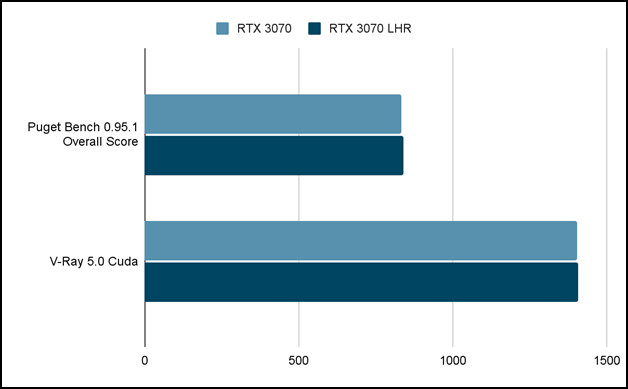
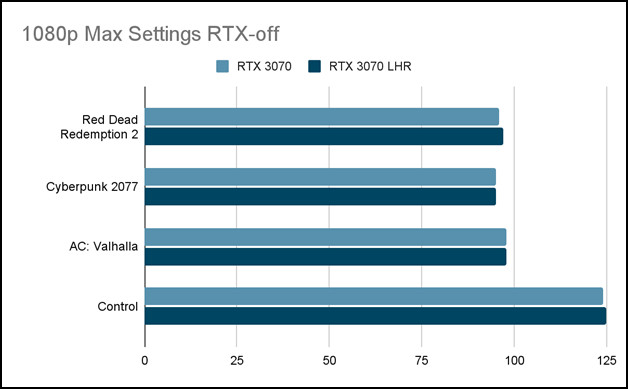
Myth: LHR cards perform worse for gaming. Reality: This is a persistent myth. LHR cards possess the exact same core hardware specifications as non-LHR versions. Their gaming performance is identical. The limiter exclusively targets mining. A game cannot trigger the LHR reduction, so your gaming experience remains unaffected. The 'LHR' tag is irrelevant when you are focused purely on gameplay.
Builds & Classes: GPU Choice with LHR in Mind
Should I avoid LHR GPUs when building a new gaming PC?
There is no need to actively avoid LHR GPUs when building a new gaming PC in 2026. Given the current market and the irrelevance of LHR to gaming performance, you can purchase an LHR card with confidence. Your GPU choice should prioritize the specific RTX 30-series model (e.g., RTX 3070, 3080) based on your budget and desired gaming resolution/frame rate. LHR status should not be a deciding factor for gaming builds.
Are there any specific game builds that suffer from LHR?
No, there are no specific game builds or genres that suffer from LHR. Whether you are building for a high-end competitive FPS setup, a graphically intensive RPG experience, or a casual indie gaming machine, LHR will have zero impact. The card's performance in any game is determined by its raw power, not the presence of the LHR limiter. Gamers can confidently choose their favorite genres without concern for LHR.
Multiplayer Issues: LHR and Online Gaming
Does LHR affect my ping or online latency in multiplayer games?
LHR has absolutely no effect on your ping or online latency in multiplayer games. Ping and latency are network-related issues, determined by your internet connection speed, router quality, distance to game servers, and server load. LHR is a hardware limiter on your graphics card; it has no network-facing components. If you experience high ping, troubleshoot your internet connection, not your LHR GPU. Your LHR card focuses on rendering frames, not managing network traffic.
Endgame Grind: LHR and High-Performance Gaming
Can LHR GPUs handle high-refresh-rate monitors for competitive gaming?
Yes, LHR GPUs can handle high-refresh-rate monitors for competitive gaming just as effectively as their non-LHR counterparts. The ability to drive high FPS for 120Hz, 144Hz, or even 240Hz monitors depends solely on the GPU's raw processing power for gaming. Since LHR does not affect this power, your LHR card will push frames at the same rate, allowing you to fully utilize your high-refresh-rate display for that competitive edge. It is a non-issue for esports titles.
Bugs & Fixes: LHR-Related Problems?
I'm getting low FPS with my LHR card, is it a bug?
If you are experiencing low FPS with your LHR card, it is almost certainly not an LHR-related bug. The LHR mechanism does not trigger during gaming. Common culprits for low FPS include outdated graphics drivers, demanding in-game settings, CPU bottlenecks, insufficient RAM, background applications, or even overheating. Systematically troubleshoot these areas. Ensure your drivers are updated and settings are optimized. Check for any system resource hogs. These are the most likely causes of any performance drop you observe.
Myth vs Reality: Is there a 'fix' or bypass for LHR that improves gaming?
Myth: A fix or bypass for LHR improves gaming. Reality: This is false. While tools existed to partially bypass LHR for mining, they offered no gaming performance benefits whatsoever. Since LHR does not affect gaming, there is nothing to 'fix' in terms of gameplay. Any software claiming to boost gaming FPS by bypassing LHR is misleading. Focus on official driver updates and in-game optimization for genuine performance gains. Avoid unofficial software claiming LHR gaming benefits.
Tips & Tricks: Optimizing Your LHR Setup
What are the best settings optimization tips for LHR GPUs?
The best settings optimization tips for LHR GPUs are the same as for any other graphics card. Prioritize keeping your Nvidia Game Ready Drivers updated. Adjust in-game graphics settings, focusing on reducing shadows, anti-aliasing, and global illumination for significant FPS boosts. Ensure your cooling is efficient to prevent thermal throttling. Close unnecessary background apps to free up system resources. These general optimization practices will yield the best results. LHR cards benefit from standard optimization practices.
How can I ensure my LHR card is performing optimally?
To ensure your LHR card performs optimally, regularly update your graphics drivers from Nvidia's official website. Monitor your GPU temperatures and utilization using tools like MSI Afterburner. Optimize your in-game settings to achieve your desired balance between visual quality and frame rate. Keep your operating system updated and minimize background processes during gaming. A well-maintained system, rather than LHR status, dictates optimal performance. Proper care and setup will deliver peak performance consistently.
Future Outlook: LHR in the Years to Come
Will LHR technology be present in future NVIDIA GPU generations?
It is increasingly unlikely that LHR technology will be a significant feature in future Nvidia GPU generations. With the transition of Ethereum and other cryptocurrencies away from GPU-intensive mining, the original purpose of LHR has largely subsided. Nvidia's focus will likely return solely to enhancing gaming and professional application performance. Future cards may not carry the 'LHR' designation as the market conditions that necessitated it have changed. We expect a simpler landscape for GPU designations.
Myth vs Reality: LHR was a failure for NVIDIA's gaming strategy.
Myth: LHR was a failure. Reality: While controversial, LHR was arguably a success for Nvidia's gaming strategy during its time. It significantly reduced mining profitability on consumer cards, which, combined with other factors, eventually helped alleviate GPU scarcity for gamers. It allowed Nvidia to reassert its commitment to the gaming community during unprecedented market conditions. It served its purpose in a challenging era, even if its long-term relevance is fading. It helped gamers get cards.
Still have questions about your LHR graphics card or general gaming performance? Check out our other popular guides on 'Settings Optimization for High FPS' and 'Troubleshooting Common Gaming Lag Issues'!
Hey fellow gamers, have you ever found yourself staring at your brand new graphics card, perhaps an Nvidia GeForce RTX with that infamous 'LHR' tag, and wondered: does LHR reduce gaming performance? You are certainly not alone in asking this common and important question. It is a puzzle that has certainly crossed the minds of many players trying to maximize their precious frames per second (FPS). We have all been there, scrutinizing every setting and driver update, searching for that edge. Today, we are diving deep into the LHR phenomenon to give you the clear answers you need. This guide promises to clarify exactly what LHR means for your beloved gaming rig. You will gain a solid understanding of how these cards truly perform in various gaming scenarios, helping you optimize your setup.
Understanding Lite Hash Rate (LHR) technology is crucial for any gamer concerned about their system's capabilities. Initially, these cards sparked a wave of confusion and worry among the gaming community. Gamers everywhere wondered if this new feature would secretly throttle their gaming sessions. This article will cut through the noise, providing up-to-date information on LHR GPUs and their real impact on your gameplay. We will cover everything from settings optimization to potential FPS drops and stuttering fixes. Let us get ready to unlock the full potential of your gaming experience together.
What is LHR (Lite Hash Rate) and Why It Matters for Gaming?
LHR, or Lite Hash Rate, is a hardware-based limiter that Nvidia introduced on certain GeForce RTX 30-series graphics cards. Its primary purpose was to make these GPUs less appealing to cryptocurrency miners. By reducing the efficiency of these cards for mining Ethereum, Nvidia hoped to divert more stock to actual gamers. This move aimed to combat the severe GPU shortages plaguing the market during the crypto boom. The idea was simple: if miners could not profit as much, they would leave more cards for gamers. It was a strategy to ensure gamers could actually buy the cards they wanted.
For gamers, understanding LHR is important because it directly relates to the card's intended use. While LHR specifically targets mining performance, many initially worried about its potential spillover effect on gaming. The good news is that Nvidia designed LHR to specifically detect and throttle cryptocurrency mining algorithms. It does not interfere with the demanding calculations required for rendering game graphics. Therefore, in most gaming scenarios, an LHR card should perform identically to its non-LHR counterpart. This distinction is key to dispelling common myths about LHR reducing gaming performance.
The Genesis of LHR: A Quick History
The story of LHR began in early 2021 when the global semiconductor shortage was at its peak. Cryptocurrency mining, particularly Ethereum, had made graphics cards incredibly scarce and expensive. Nvidia's GeForce RTX 30 series, powerful GPUs designed for gaming and creative work, became hot commodities for miners. This situation left many gamers frustrated and unable to purchase new hardware at reasonable prices. Nvidia needed a solution to address this market imbalance. The company wanted to get its cards into the hands of its core audience: gamers. This led to the development and implementation of the Lite Hash Rate limiter.
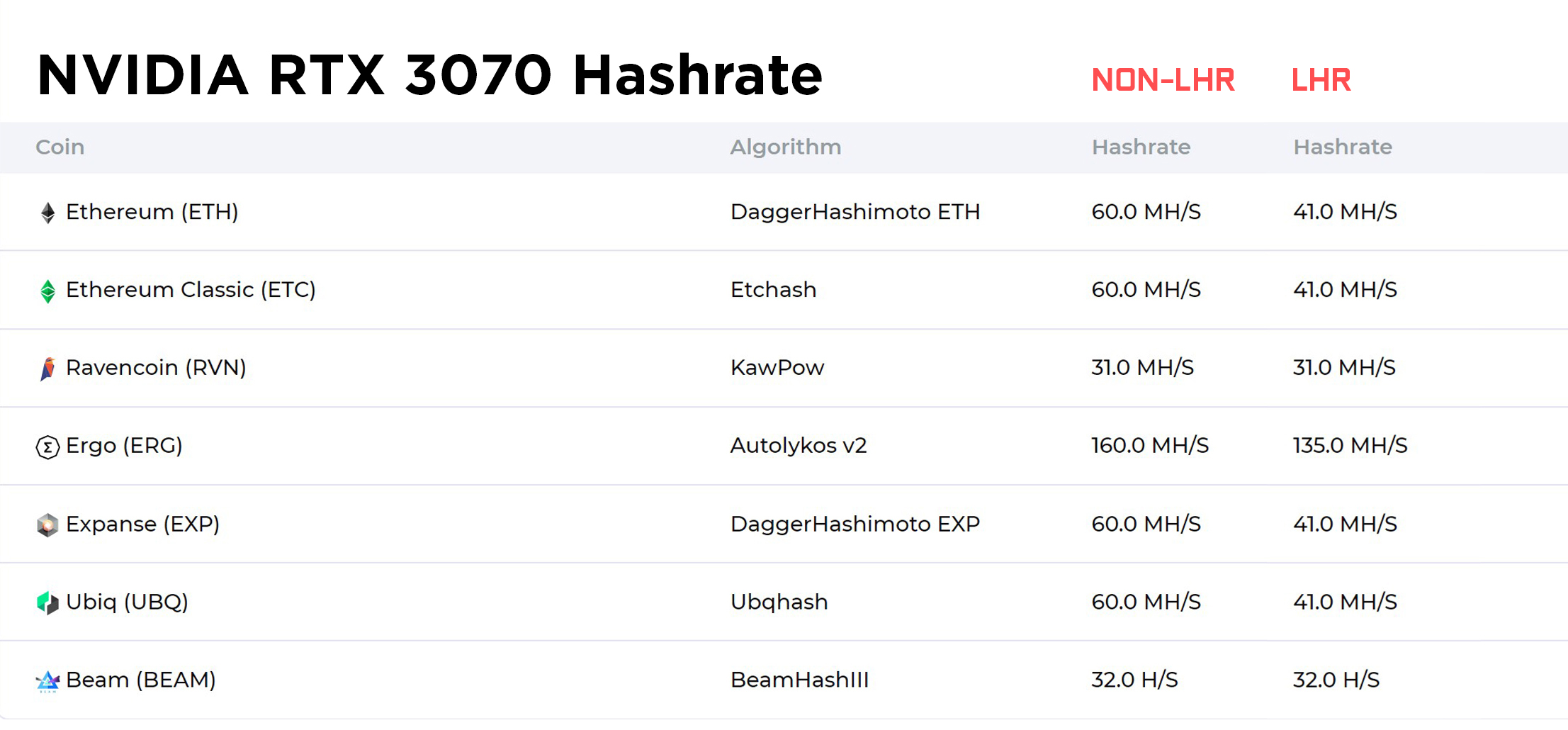
Nvidia first introduced LHR with specific models of the RTX 3060, and then expanded it to most new RTX 3070, RTX 3080, and RTX 3060 Ti cards. These GPUs were clearly marked with 'LHR' in their product names or specifications. The technology employed a hardware-software handshake to identify mining workloads. When detected, the card's hash rate for certain cryptocurrencies would significantly drop, making it inefficient for mining. This was a direct response to market demands and a strategic effort to support the gaming community. It marked a significant moment in the graphics card industry.
Does LHR Actually Impact Gaming FPS? The Core Question
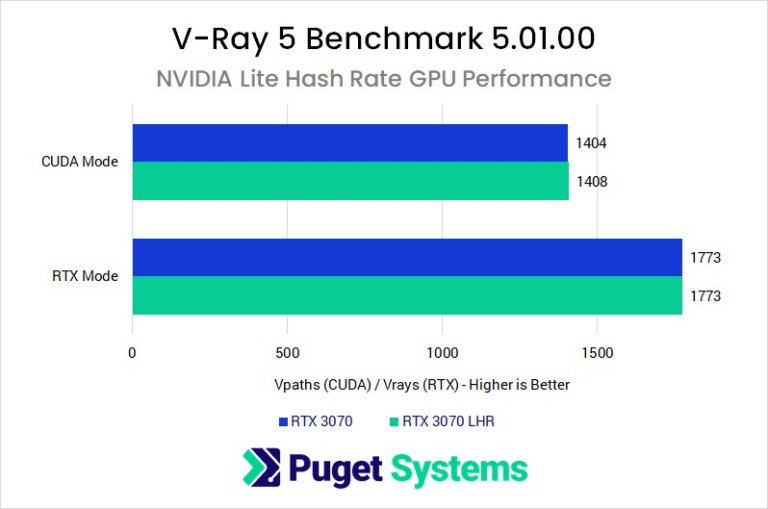
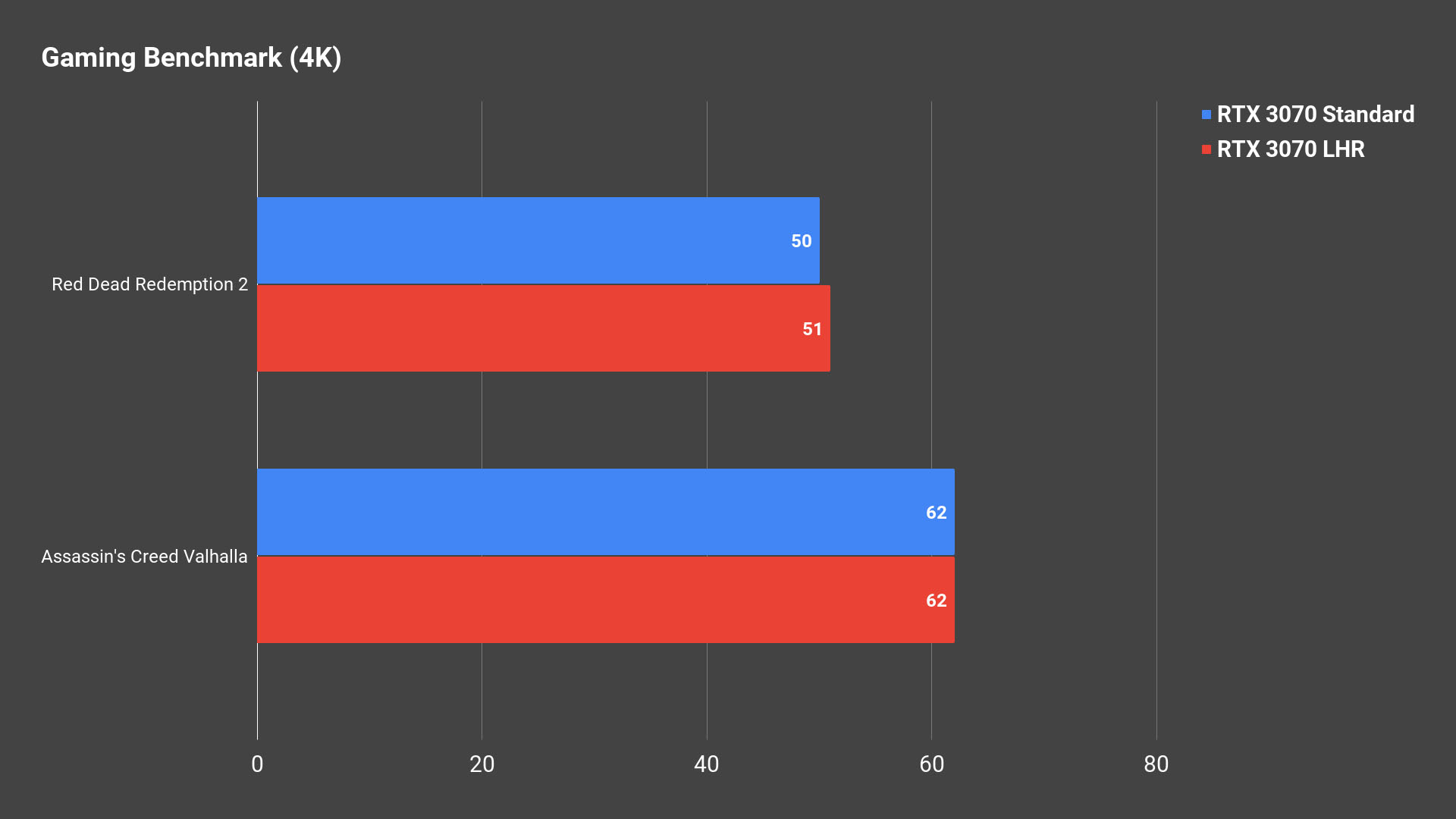
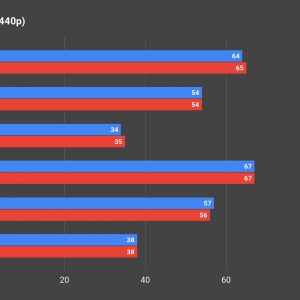
This is the million-dollar question that many gamers are asking: does LHR actually reduce gaming performance, specifically your FPS? The short answer, thankfully, is generally no. Nvidia engineered LHR technology to specifically target and limit cryptocurrency mining operations. It does not affect the performance of your graphics card when running games or other traditional graphics applications. Your LHR GPU will deliver the same frame rates as a non-LHR version of the same card. This is true under standard gaming conditions across all titles. We are talking about everything from the latest AAA releases to your favorite indie games.
Think of it this way: LHR is like a specialized filter. It only activates when it detects a mining algorithm, not when you are battling enemies or exploring vast open worlds. This means you should not experience any noticeable FPS drops, increased latency, or stuttering solely due to the LHR designation. Any performance issues you might encounter are more likely related to other factors. These factors include driver issues, game optimization, system bottlenecks, or simply needing better in-game settings optimization. Rest assured, your LHR card is still a gaming powerhouse.
Understanding the Technical Side of LHR and Gaming Performance
To truly understand why LHR does not impact gaming, let us peek under the hood for a moment. LHR relies on a firmware and driver-level detection mechanism. It monitors the specific memory access patterns and computational loads characteristic of proof-of-work cryptocurrency mining. When these patterns are identified, the LHR limiter engages, reducing the card's efficiency for those particular tasks. However, gaming workloads use entirely different computational patterns and memory access strategies. Graphics rendering involves complex shaders, textures, and geometry processing. These are fundamentally different from the repetitive, memory-bound tasks of mining.
Because gaming calculations do not trigger the LHR mechanism, the graphics card operates at its full potential. The GPU's core clock speed, memory clock speed, and overall power delivery remain unaffected during gaming sessions. This ensures that the card can render frames as quickly and efficiently as its hardware allows. Therefore, any perceived performance issues like ping spikes, FPS drops, or stuttering fixes will need to be investigated elsewhere. They are unrelated to the LHR feature itself. Modern drivers are also designed to prevent any accidental interference with gaming performance. This ensures a smooth experience for players.
LHR and Different Game Genres: FPS, MOBA, RPG, Battle Royale
Does LHR reduce gaming performance differently across various game genres? Absolutely not. Whether you are deep into a fast-paced First-Person Shooter (FPS) like Valorant or Call of Duty, strategizing in a Multiplayer Online Battle Arena (MOBA) like League of Legends, exploring vast worlds in an RPG, or fighting for survival in a Battle Royale title, LHR has no impact. The hardware limiter is blind to game types. It only cares about the underlying computational process, which, for gaming, remains outside its scope. You will experience consistent performance regardless of your preferred genre.
For FPS games, where every millisecond counts, you can expect the same high frame rates and low latency as a non-LHR card. MOBA players will see smooth spell effects and character movements without any LHR-induced lag. RPG enthusiasts can enjoy detailed environments and intricate graphics at optimal settings. Even in graphically intensive Battle Royale matches, your LHR GPU will push frames efficiently. Therefore, your choice of game genre will not expose any hidden LHR limitations. The LHR technology is simply irrelevant to how your games perform. Focus on game settings, not LHR, for genre-specific optimization.
Optimizing Your Gaming Rig with an LHR GPU: Tips and Tricks
Since LHR does not affect gaming performance, your focus should be on general optimization strategies. These tips will help you get the most out of any graphics card, including your LHR model. First, always ensure your graphics drivers are up to date. Nvidia regularly releases new drivers that include performance improvements and bug fixes for the latest games. These updates can significantly boost your FPS and provide stuttering fixes. Make driver updates a regular part of your system maintenance. It is a simple step that yields big results.
Keep Drivers Updated: Regularly download and install the latest Nvidia Game Ready Drivers. These drivers often include crucial performance optimizations and game-specific profiles.
Optimize In-Game Settings: Experiment with your game's graphics settings. Reducing demanding options like shadows, anti-aliasing, and volumetric clouds can yield significant FPS gains without much visual compromise. Aim for a balance between visuals and frame rate, especially in competitive titles. Many competitive players prioritize performance over eye candy.
Monitor Your System: Use tools like MSI Afterburner or Nvidia's performance overlay to monitor your GPU and CPU usage, temperatures, and FPS. This helps identify bottlenecks or overheating issues that could lead to FPS drops. Knowing your system's limits helps greatly.
Check Background Processes: Close unnecessary applications running in the background while gaming. These can consume valuable CPU cycles and RAM, leading to reduced performance and potential lag. A clean background means more power for your game.
Ensure Proper Cooling: Good airflow within your PC case is vital. High temperatures can cause your GPU or CPU to throttle, reducing performance. Clean dust from fans and heatsinks regularly. Cooling is an often-overlooked aspect of performance optimization.
Consider a Settings Optimization Guide: For specific games, look for professional settings optimization guides. Many pro players share their setups, which can offer a great starting point for beginners. These guides often provide excellent tips for maximizing performance. Learning from the best is always a smart move.
Common Misconceptions About LHR and Gaming Performance
There are several myths circulating about LHR GPUs and their impact on gaming. Let us clear up some of the most common ones. A big misconception is that LHR cards have lower specifications or are somehow 'inferior' to their non-LHR counterparts. This is false. LHR cards have the exact same GPU core, memory, and overall hardware specifications. The only difference is the hash rate limiter which is only active during mining. Their gaming performance is identical, so you are not losing any raw power.
Another common belief is that LHR causes random FPS drops or micro-stuttering during gameplay. Again, this is not true. LHR does not interact with gaming workloads, so it cannot be the direct cause of such issues. If you experience these problems, they are almost certainly due to other factors. These could include outdated drivers, overheating, background processes, or even issues within the game itself. It is important to diagnose performance problems accurately. Do not blame LHR for issues it cannot cause.
The Future of LHR GPUs and the Gaming Market
With the transition of Ethereum from Proof-of-Work to Proof-of-Stake, the primary motivation behind LHR technology has largely diminished. Cryptocurrency mining with GPUs is no longer as profitable or relevant for many coins. This shift means that the urgency for LHR-like solutions has decreased significantly. Newer generations of graphics cards might not even feature LHR technology. This is because the problem it was designed to solve is no longer as prominent. The market dynamics have fundamentally changed.
For gamers, this is excellent news. It means less confusion about GPU models and a return to simpler purchasing decisions. The focus can shift entirely to raw gaming performance, features, and price. While LHR played a crucial role in a challenging market period, its long-term relevance for gaming seems limited. Future GPUs will likely be designed purely for gaming and creative tasks, without the need for mining limitations. This is a positive outlook for the entire gaming community. We can all look forward to more straightforward hardware choices.
What Others Are Asking?
Gamers always have questions, and when it comes to performance, curiosity never stops. Here are some of the burning questions people are asking about LHR and its real-world gaming implications, straight from popular search queries.
Does LHR affect gaming performance at all?
No, LHR does not inherently affect gaming performance. The Lite Hash Rate limiter is specifically designed to reduce efficiency for cryptocurrency mining algorithms. It does not engage or interfere with the computations required for running video games, ensuring identical FPS and stability to non-LHR versions of the same GPU. Gamers should not worry about LHR causing lower frame rates.
Are LHR graphics cards worse for gaming than non-LHR cards?
LHR graphics cards are not worse for gaming. They possess the exact same hardware specifications and capabilities as their non-LHR counterparts. The only distinction is the implemented limiter for mining. For gaming purposes, both LHR and non-LHR versions of the same GPU model will deliver identical performance, frame rates, and visual quality. The difference is purely in mining potential.
Can you disable LHR to improve gaming FPS?
Disabling LHR would not improve gaming FPS because the limiter does not affect gaming performance to begin with. While some tools and workarounds emerged to bypass LHR for mining, they do not offer any gaming benefits. Focusing on updated drivers, in-game settings optimization, and system maintenance is the correct approach to improving gaming performance. LHR is not a gaming bottleneck.
Why did Nvidia introduce LHR cards?
Nvidia introduced LHR cards primarily to combat the severe shortage of graphics cards caused by the cryptocurrency mining boom. By making their GPUs less attractive to miners, Nvidia aimed to redirect more stock to the gaming market, allowing actual gamers to purchase new hardware at more reasonable prices. It was a strategic move to support its core gaming audience. LHR addressed a significant market imbalance.
Will LHR affect future game performance or updates?
LHR is highly unlikely to affect future game performance or updates. The technology targets specific mining algorithms, which are distinct from game rendering engines. Game developers and GPU driver engineers design for optimal gaming, irrespective of LHR. As cryptocurrency mining shifts away from GPUs, LHR's relevance will naturally diminish, having no bearing on future game experiences. It is a non-factor for gaming evolution.
Do LHR cards have less VRAM or different specs?
No, LHR cards do not have less VRAM or different core specifications than their non-LHR counterparts. The 'Lite Hash Rate' designation refers solely to the firmware-level limiter that activates under specific cryptocurrency mining workloads. All other hardware specifications, including VRAM amount, GPU core count, clock speeds, and memory bus width, remain identical across LHR and non-LHR versions of the same model. They are physically the same powerful GPUs.
How can I tell if my GPU is LHR?
You can typically tell if your GPU is LHR by checking its model name or specifications. Many manufacturers explicitly label LHR cards with 'LHR' in the product name (e.g., 'RTX 3070 LHR'). Alternatively, you can use GPU-Z software, which often indicates the LHR status of Nvidia RTX 30-series cards. Checking the serial number or original packaging can also provide definitive information. It is usually clearly advertised.
Key Takeaways: LHR and Your Gaming Experience
So, what have we learned today about does LHR reduce gaming performance? The most important takeaway is that LHR technology does not impact your gaming performance. Your LHR graphics card will provide the same glorious frame rates and smooth gameplay as a non-LHR version. The limiter exclusively targets mining algorithms, leaving your gaming sessions untouched. Focus on good system hygiene, updated drivers, and smart in-game settings optimization to maximize your FPS and minimize any stuttering or lag. Keep those drivers fresh. Tinker with your settings to find that perfect balance between visuals and performance. Your LHR GPU is a capable gaming companion ready for action!
We hope this guide has brought clarity and confidence to your gaming setup. Enjoy your games knowing your hardware is performing as intended. Happy gaming, and may your frame rates always be high!
LHR (Lite Hash Rate) GPUs were designed to deter cryptocurrency mining, not impact gaming. Gaming performance with LHR cards is generally identical to non-LHR versions under normal conditions. Always keep your graphics drivers updated for optimal gaming performance and potential stuttering fixes. Optimize in-game settings for peak FPS, focusing on settings like shadows and anti-aliasing. LHR does not affect FPS drops or cause significant lag during gameplay.
35


LHR Vs Non LHR Are Games Affected LHR Vs Non LHR Gaming Benchmark 03 1080p 1024x576 . LHR Vs Non LHR Are Games Affected LHR Vs Non LHR Gaming Benchmark 02 1440p 640x360 . Do Nvidia S LHR Lite Hash Rate GPUs Perform Worse Word Image 3 768x509 . LHR Vs Non LHR Are Games Affected LHR Vs Non LHR 12 1024x576 . LHR Vs Non LHR GPU Which Cards Are Better For Gaming Lhr Vs Non Lhr 315x210
Do Nvidia S LHR Lite Hash Rate GPUs Perform Worse NVIDIA RTX 3070 LHR Vs Non LHR Hashrate 1 . Graphics Card Lhr Vs Non Lhr At Victoria Gregory Blog LHR Vs Non LHR Gaming Benchmark 03 4K . LHR Vs Non LHR Are Games Affected LHR Vs Non LHR Gaming Benchmark 01 1440p 300x300 . What Is LHR GPU How Do They Perform Compared To Non LHR What Is Lhr Gpu . Nvidia Graphics Cards List In Order Of Performance Do Nvidia LHR GPUs Perform Worse Twitter 1024x576

LHR Vs Non LHR Are Games Affected LHR Vs Non LHR.00 33 08 47.Still029 . Do Nvidia S LHR Lite Hash Rate GPUs Perform Worse NVIDIA RTX 3070 LHR Vs Non LHR Hashrate 1 300x140 . Nvidia Graphics Cards List In Order Of Performance Do Nvidia LHR GPUs Perform Worse Twitter 420x236 . What Is LHR GPU How Do They Perform Compared To Non LHR Rtx 3070 Rtx 3070 Lhr . What Is LHR GPU How Do They Perform Compared To Non LHR 1080p Max Settings Rtx Off


NVIDIA LHR Everything You Need To Know About Lite Hash Rate GPUs NVIDIA Lite Hash Rate . What Are LHR Video Cards Coolblue Free Delivery Returns. Nvidia Graphics Cards List In Order Of Performance Do Nvidia LHR GPUs Perform Worse Twitter 594x335 . LHR Vs Non LHR GPUs What S The Difference . NBMiner Bypassed NVIDIA LHR GPUs To Increase Mining Performance NBMiner Bypassed NVIDIA LHR GPUs NoypiGeeks 5218 Scaled


LHR Vs Non LHR GPU Which Cards Are Better For Gaming Bitcoin Hashrate 330x178 . LHR Vs Non LHR GPU Which Cards Are Better For Gaming Feature Image Lhr Vs Non Lhr Gpu . LHR Vs Non LHR GPUs A Performance Analysis LHR Vs. Non LHR GPUs . LHR Vs Non LHR GPUs A Performance Analysis LHR GPU Hardware . LHR Vs Non LHR Are Games Affected LHR Vs Non LHR Gaming Benchmark 02 1080p 75x75


LHR Vs Non LHR GPU Which Cards Are Better For Gaming Feature Image Lhr Vs Non Lhr Gpu 340x227 . LHR Vs Non LHR GPUs A Performance Analysis LHR GPU Hardware 1024x534 . LHR Vs Non LHR GPU Which Cards Are Better For Gaming Feature Image Lhr Vs Non Lhr Gpu 120x80 . LHR Vs Non LHR GPU Which Cards Are Better For Gaming Feature Image Lhr Vs Non Lhr Gpu 886x590 . LHR Vs Non LHR Are Games Affected LHR Vs Non LHR Gaming Benchmark 01 1080p 75x75



LHR Vs Non LHR GPUs The Impact On Gaming And Mining Multiple GPUs And Cooling Fans Set Up For Mining 400x259 . LHR Vs Non LHR GPUs A Performance Analysis LHR Vs. Non LHR GPUs 1024x534 . LHR Vs Non LHR GPUs What S The Difference . LHR Vs Non LHR GPU Which Cards Are Better For Gaming Lhr Vs Non Lhr 140x93 . LHR Vs Non LHR GPUs A Performance Analysis LHR Vs. Non LHR GPUs 768x400