Unlock the secrets to navigating Roblox Studio by mastering how to open the essential Explorer window. This vital tool is your gateway to managing all objects within your game world. From parts and models to scripts and user interfaces, the Explorer provides a hierarchical view of everything in your experience. Learning to quickly access and utilize it is a fundamental skill for any aspiring Roblox developer. This guide offers straightforward instructions, troubleshooting tips, and advanced usage scenarios. You will discover how the Explorer streamlines your development workflow. It ensures you always have control over every element of your Roblox creations. Get ready to elevate your building and scripting efficiency in Roblox Studio now.
how to open explorer in roblox studio FAQ 2026 - 50+ Most Asked Questions Answered (Tips, Trick, Guide, How to, Bugs, Builds, Endgame)
Welcome to the ultimate living FAQ for mastering the Explorer window in Roblox Studio, updated for the very latest 2026 patch! This comprehensive guide will arm you with every tip, trick, and solution you need to navigate, organize, and troubleshoot this essential tool. Whether you're a beginner just starting your journey or an advanced developer looking for deeper insights and bug fixes, we've got you covered. Consider this your go-to resource for optimizing your workflow and resolving any Explorer-related challenge. Let's dive in and elevate your Roblox development game!
Getting Started with Explorer
How do I make the Explorer window visible if it's missing?
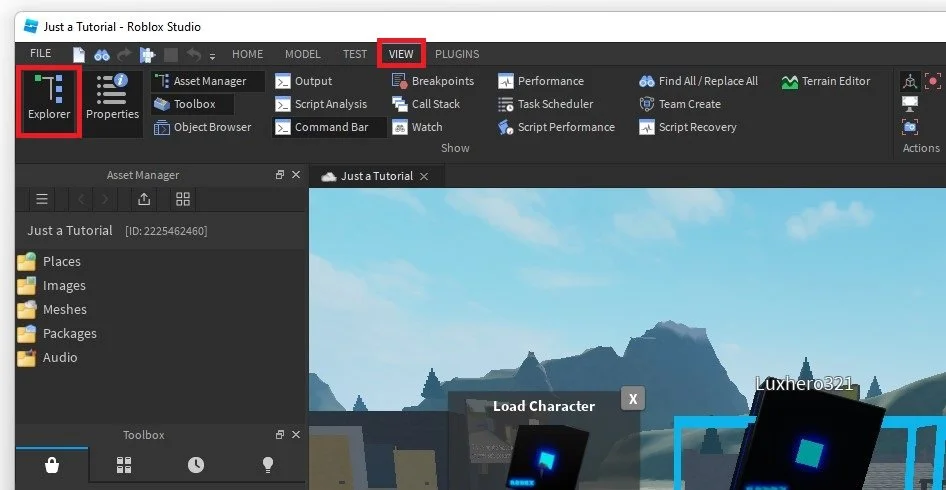
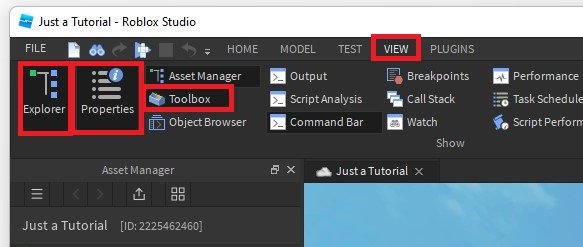
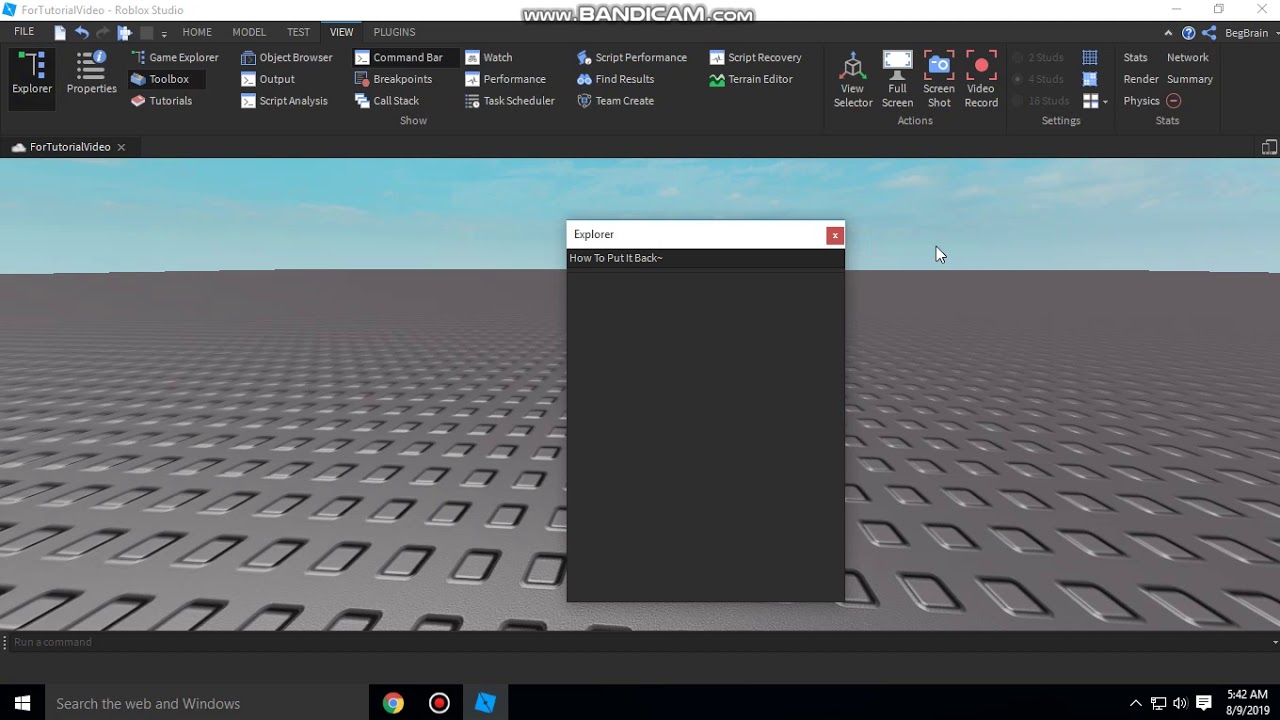
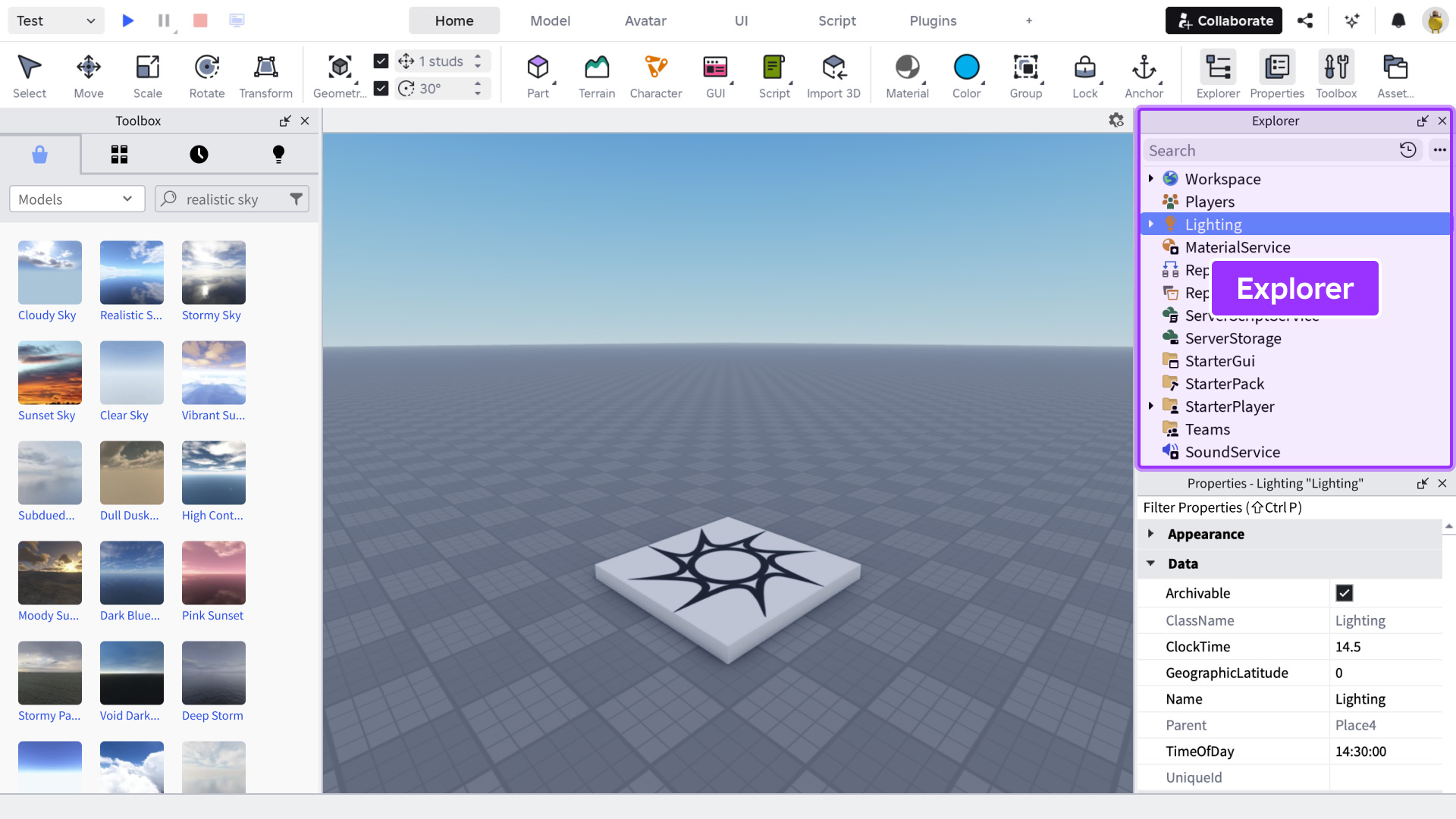
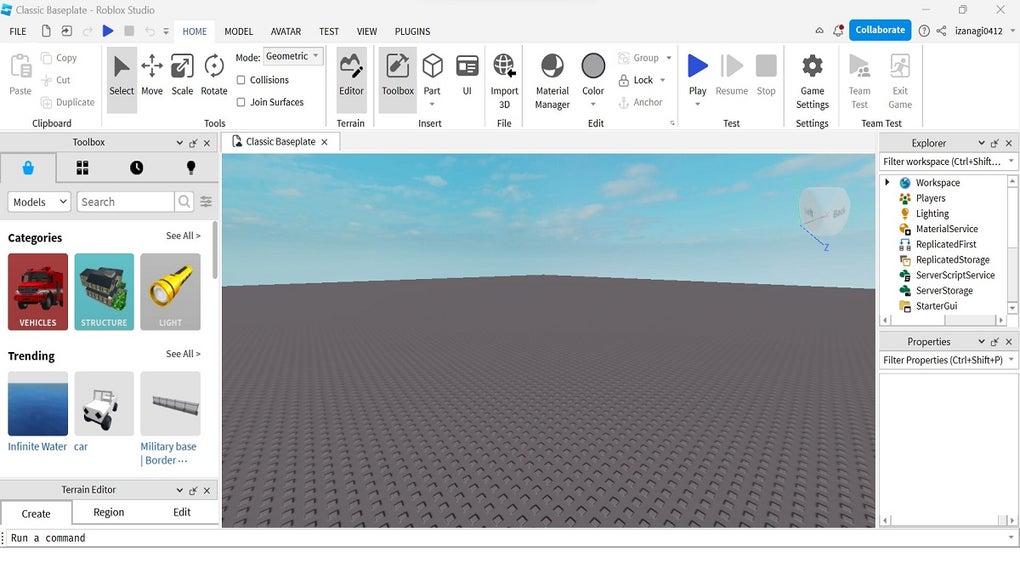
To make the Explorer window visible, navigate to the 'View' tab in the top menu bar of Roblox Studio. Click on the 'Explorer' button, and it should immediately appear on your screen, usually docked to one side. This is the most common and direct method to restore the window.
What is the primary function of the Explorer window in Roblox Studio?
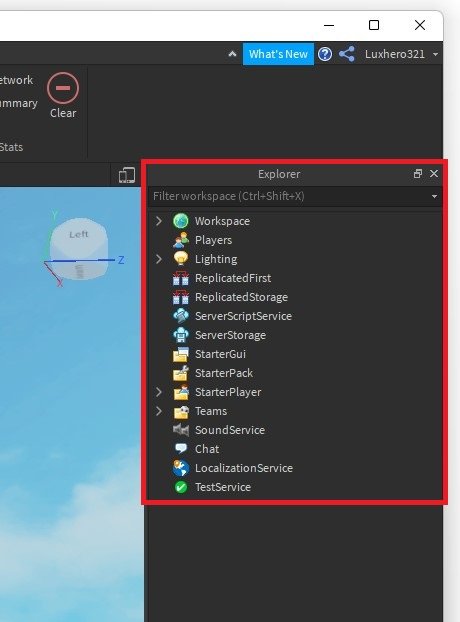
The Explorer window serves as the hierarchical list of all objects, parts, models, and scripts within your Roblox game. Its primary function is to allow developers to easily locate, select, and organize every component of their project, providing a clear overview of the game's structure.
Is there a keyboard shortcut to open the Explorer?
While there isn't a universal direct keyboard shortcut enabled by default for Explorer, you can often re-map or customize shortcuts via 'File > Advanced > Customize Shortcuts'. The quickest default method remains clicking 'View > Explorer' from the menu bar.
Can I undock the Explorer window from the main Studio interface?
Yes, you can easily undock the Explorer window. Simply click and drag its title bar away from the main interface, and it will become a floating window. This offers flexibility for multi-monitor setups or preferred workspace arrangements.
Explorer Organization & Efficiency
What's the best way to keep my Explorer tidy in large projects?
The best way to keep Explorer tidy is by heavily utilizing 'Folders' and 'Models' to group related objects and scripts. Implement clear, consistent naming conventions for all your assets, and leverage Roblox's built-in 'Services' like ReplicatedStorage for specific asset types.
How can I quickly find a specific object in a crowded Explorer window?
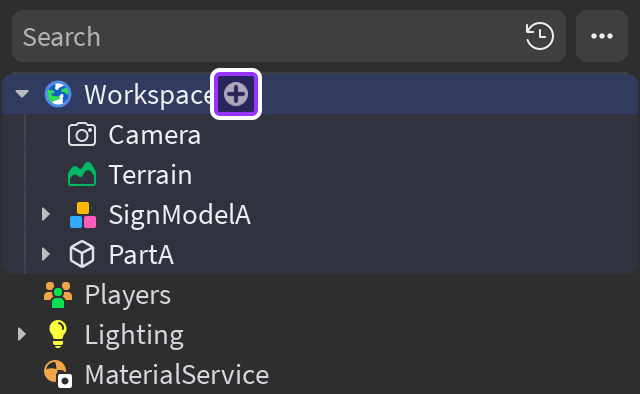
Use the search bar located at the top of the Explorer window. Typing the object's name or part of it will instantly filter the hierarchy, allowing you to quickly pinpoint the desired item, even in complex game environments.
Should I use Models or Folders for organizing similar items?
Both Models and Folders serve for organization, but with distinct uses. Use 'Models' for collections of parts or objects that act as a single unit (e.g., a car, a building). Use 'Folders' for logical groupings of scripts, UI elements, or other non-physical assets.
What are good naming conventions for objects in Explorer?
Good naming conventions are crucial for clarity. Use descriptive names (e.g., 'MainCharacterSpawn' instead of 'Part1'), employ PascalCase or camelCase for scripts and variables, and consider prefixes for object types (e.g., 'UI_MainMenu' or 'Model_Tree01').
Troubleshooting Explorer Issues
My Explorer window disappeared and clicking 'View' doesn't help. What do I do?
If the 'View' tab solution fails, your Studio layout might be corrupted. Go to 'File > Studio Settings > Layout' and select 'Reset All Layouts'. This will restore the default window arrangement, usually bringing Explorer back.
Explorer shows objects, but I can't select them in the 3D viewport. Why?
This often happens if the objects are locked or their 'CanCollide' or 'Archivable' properties are set incorrectly. Check the 'Locked' property in the Properties window for the affected objects. Also, ensure they are not accidentally parented to a hidden or non-selectable service.
Myth vs Reality: Explorer disappears because Studio is buggy.
Reality: While bugs can occur, Explorer disappearing is more commonly due to accidental closing, corrupted layout settings, or display issues rather than a fundamental Studio bug. Resetting the layout or updating drivers typically resolves it.
My Explorer window is completely blank, even when I open a new game.
A blank Explorer suggests a deeper UI rendering problem. First, try resetting your Studio layout. If that fails, consider reinstalling Roblox Studio or ensuring your graphics drivers are fully updated, as this can often resolve display anomalies.
Advanced Explorer Techniques
How can Explorer help me debug my scripts more effectively?
Explorer helps debugging by allowing real-time inspection of object properties during runtime. You can select any object while your game is running (Play Solo) and view its current property values in the Properties window, confirming if scripts are modifying them as expected.
Can I mass-select objects using Explorer for bulk edits?
Yes, Explorer is excellent for mass selection. Hold 'Shift' to select a range of consecutive objects, or hold 'Ctrl' (Cmd on Mac) to select multiple non-consecutive objects. Once selected, you can modify their common properties simultaneously in the Properties window.
Myth vs Reality: Explorer is only for visual parts, not scripting assets.
Reality: Explorer is fundamental for both! It lists all scripts, modules, and server-side assets alongside visual parts. Scripters rely on Explorer to locate, open, and manage their code files efficiently.
How do I use Explorer to manage 'Services' like ReplicatedStorage or ServerStorage?
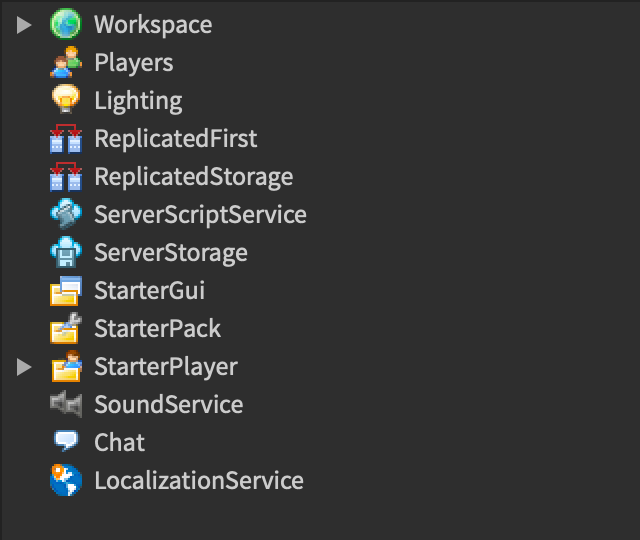
Services like 'ReplicatedStorage' and 'ServerStorage' are visible in the Explorer window, usually at the top level. You simply drag and drop assets (like remote events, modules, or assets) directly into these services. This keeps your 'Workspace' clean and organizes specific types of assets for client-server communication or secure storage.
Bugs & Fixes
Explorer sometimes freezes or becomes unresponsive. What's the fix?
Freezing can indicate Studio performance issues. Try closing other resource-intensive applications. If persistent, check for corrupted plugins that might be interfering, or reset your Studio settings. Large projects might temporarily slow Studio. In 2026, ensure your hardware meets Roblox Studio's recommended specifications.
Myth vs Reality: A full Explorer causes game lag.
Reality: A full Explorer itself doesn't directly cause *game* lag during runtime. However, a massive number of *objects in the game hierarchy* (which Explorer displays) can lead to editor performance issues, making Studio itself lag while you're building.
My Explorer window shows empty folders even though they should contain objects.
This issue can sometimes be a visual glitch. Try closing and reopening Studio. If it persists, ensure there are no filters applied in the Explorer search bar, and confirm the objects aren't accidentally parented elsewhere or deleted by a script.
Endgame Strategies
How do top developers use Explorer to optimize game performance in 2026?
Top developers in 2026 use Explorer for performance optimization by diligently identifying and removing unnecessary or duplicated objects. They enforce strict asset streaming via 'StreamingEnabled' properties and parent complex, non-essential assets to 'ServerStorage'. This practice significantly reduces the load on client machines.
Myth vs Reality: Having many scripts in Explorer slows down my game.
Reality: It's not the *number* of scripts in Explorer that slows down a game, but rather the *efficiency* of the code within those scripts. Many small, well-optimized scripts perform better than a few large, inefficient ones.
Still have questions?
Couldn't find what you were looking for? Don't hesitate to dive into the Roblox Developer Hub or check out our other guides like 'Optimizing Roblox Game Performance in 2026' and 'Mastering Roblox Studio UI Design'.
Hey everyone, have you ever felt like you're missing a crucial piece of the puzzle while building in Roblox Studio? It’s like when a celebrity's vital information goes mysteriously offline, leaving fans in a frenzy. Well, a common question swirling around the Roblox development scene is, 'Where did my Explorer window go?' or 'How do I even open Explorer in Roblox Studio?' Don't worry, we've all been there, and it's a super common hurdle for new and even experienced creators.
As your friendly senior colleague and AI engineering mentor, I get it. This essential window is your map to everything happening in your game. It helps you find, select, and organize every single object, model, and script. Let's dig into how you can consistently keep your Explorer window front and center, ensuring your development journey is smooth and productive. We're going to cover everything from the absolute basics to some truly advanced strategies, just like you'd get from a seasoned pro.
Beginner / Core Concepts
- Q: I just started Roblox Studio, and I can't find the Explorer window. How do I open it for the first time? A: Oh, I totally get why this confuses so many people when they first dive in. Finding your way around a new interface is always a bit of a maze, isn't it? The Explorer window is absolutely crucial, it's your main directory for everything in your game. To open it, just head up to the top menu bar in Roblox Studio. You'll see a tab labeled 'View'. Give that a click, and then look for the 'Explorer' button. Once you click it, the Explorer window should pop right up, usually docking itself on one side of your screen. It's really that simple to get started. Think of the Explorer as your project's table of contents. It lists every single object, part, and script you've added or that's part of the default environment. Getting comfortable with this window is one of the very first steps towards becoming a master builder. You've got this!
- Q: What exactly is the Explorer window used for in Roblox Studio? Why is it so important for my projects? A: This is a fantastic question that gets right to the heart of game development in Roblox Studio. The Explorer window serves as your primary tool for managing the entire hierarchy of objects within your game. It provides a tree-like view, letting you see every part, model, script, and UI element in an organized structure. You use it to select individual items, group them, and even drag and drop them to reposition them within the game's structure. For instance, if you want to find a specific brick in a massive building, the Explorer helps you pinpoint it instantly. This organizational power is why it is so critically important. It allows for efficient navigation and manipulation of even the most complex scenes. You'll soon realize how much time it saves.
- Q: My Explorer window sometimes disappears. Is there a quick keyboard shortcut to bring it back without going through the menu? A: Ah, the disappearing act! That one used to trip me up too, especially when I was deep in a scripting session and accidentally closed something vital. Yes, there absolutely is a quick keyboard shortcut, which is a total lifesaver for productivity. While Roblox Studio doesn't have a single universal shortcut for *all* windows, the fastest way to reopen Explorer is usually by navigating to the 'View' tab again and clicking the 'Explorer' button. However, many pros customize their shortcuts. You can define custom shortcuts via 'File > Advanced > Customize Shortcuts' for frequent actions. This proactive setup can save you precious minutes during long development sprints.
- Q: Can I customize where the Explorer window appears on my screen, or is it fixed in one spot? A: You absolutely can customize where the Explorer window appears! Roblox Studio is quite flexible with its UI layout, which is a huge benefit for developers working on different screen setups. After you've opened the Explorer window, you'll notice you can click and drag its title bar. This allows you to move it around your screen. You can dock it to the left, right, top, or bottom edges of the Studio interface. You can even undock it completely and let it float as a separate window. This flexibility is great for multi-monitor setups or for simply arranging your workspace to best suit your personal workflow. Experiment with different layouts to find what feels most comfortable for you. It truly enhances your efficiency.
Intermediate / Practical & Production
- Q: Sometimes when I open a new project, my Explorer window isn't visible, even after checking the 'View' tab. What might be going on? A: This can be a bit perplexing, and I totally understand the frustration when a standard solution doesn't work. If checking the 'View' tab doesn't bring back your Explorer, it's often a sign of a corrupted Studio layout configuration. This can happen after an unexpected crash or a botched update. First, try resetting your Studio layout to its default settings. You can do this by going to 'File > Studio Settings > Layout' and clicking 'Reset All Layouts'. This usually resolves persistent display issues for windows like Explorer and Properties. If that still doesn't work, ensure your graphics drivers are updated, as outdated drivers can sometimes cause UI rendering glitches in complex applications like Studio.
- Q: How does the Explorer window interact with the Properties window? Are they always used together for efficient building? A: That's a perceptive observation! The Explorer and Properties windows are indeed like two sides of the same coin, indispensable companions for efficient building. When you select an object in the Explorer window, the Properties window immediately updates to display all the adjustable attributes of that specific object. For example, selecting a 'Part' in Explorer will show its 'Position', 'Size', 'Color', and 'Anchored' state in the Properties window. They work in tandem, allowing you to quickly locate objects with Explorer and then modify their characteristics precisely using Properties. Mastering their combined use dramatically speeds up your development process. It's a powerhouse combo.
- Q: I'm working on a large project with many objects. What are some tips for organizing items within the Explorer for better navigation? A: Ah, the joys of managing a sprawling project! Organization in Explorer is absolutely key for sanity and efficiency in large builds. My top tip is to use 'Folders' and 'Models' extensively to group related objects. For instance, all parts of a building can go into a 'Building Model', and all UI elements for a specific screen can reside in a 'UIScreen Folder'. Naming conventions are also paramount; use clear, descriptive names for all your objects, models, and scripts. Furthermore, utilizing 'Services' like 'ReplicatedStorage' and 'ServerStorage' correctly helps declutter 'Workspace'. Consistent organization will save you countless hours of searching and debugging down the line.
- Q: Can I search for specific objects within the Explorer window, especially in complex game environments? A:** Yes, absolutely! The search functionality within the Explorer window is an indispensable tool, especially when you're navigating complex game environments with hundreds, or even thousands, of objects. At the very top of the Explorer window, you'll find a search bar. Simply type in the name or part of the name of the object you're looking for, and Explorer will filter the list to show only matching items. This is incredibly powerful for quickly locating specific parts, scripts, or models without manually scrolling through endless lists. Using the search bar effectively can drastically cut down your development time. It's a small feature with a huge impact on productivity.
- Q: What's the difference between selecting an object in the 3D viewport and selecting it in the Explorer? Does it matter? A: This is an excellent distinction to make, and yes, it definitely matters! When you select an object directly in the 3D viewport, you're interacting with its visual representation. This is great for spatial placement and immediate visual feedback. However, selecting in the Explorer provides a precise, unambiguous selection of the actual object instance. This is crucial for objects that might be hidden, overlapping, or too small to easily click in the viewport. Explorer selection also ensures you're selecting the *parent* model or the exact instance you intend, especially when dealing with nested objects. For scripting and fine-tuning properties, Explorer selection is often more reliable and precise.
- Q: I've heard about using the Explorer to find and edit scripts. How does that process work efficiently? A: This is where the Explorer truly shines for scripters! Scripts are just another type of object, and they reside within the Explorer hierarchy, usually parented to the parts, models, or services they affect. To efficiently find and edit a script, simply navigate through the Explorer tree to locate it. Once found, double-clicking the script in Explorer will open it directly in the Script Editor. For larger projects, use the Explorer's search bar to quickly type the script's name. Furthermore, you can right-click scripts in Explorer to perform actions like renaming, duplicating, or enabling/disabling them without ever touching the 3D world. It's the central hub for all your coding endeavors.
Advanced / Research & Frontier 2026
- Q: How can I programmatically interact with the Explorer window or its displayed objects using scripts in 2026? A: That's a fascinating frontier question, pushing into advanced automation! While direct programmatic control over the *Explorer UI itself* (like simulating clicks or searches) is generally restricted for security and stability, you can absolutely programmatically interact with the *objects displayed within Explorer*. All objects in Explorer are accessible through the DataModel via scripts. For example, you can use `game.Workspace.MyPart` to access and modify a part. Future 2026 updates might introduce more robust API for UI manipulation. However, the current best practice involves iterating through `game.Workspace:GetChildren()` or using `FindFirstChild()`. These methods let your scripts find, modify, create, or delete objects. This is precisely how advanced game systems manage dynamic environments, ensuring content changes based on player actions.
- Q: Are there any performance considerations related to how many objects are displayed in the Explorer, especially for massive open-world games? A: This is a critically important performance consideration for large-scale projects, and it's something top developers constantly optimize for. While the Explorer window itself generally has a negligible impact on *game runtime performance*, having an extremely high number of individual, unorganized objects (tens of thousands or more) in your Workspace can indeed impact *Studio's editor performance*. This can manifest as slower loading times, UI lag, or sluggish responsiveness when selecting objects. The core issue often lies more in the overall DataModel size than just what's displayed. In 2026, efficient instancing and streaming technologies are crucial. It minimizes the active object count at any given time.
- Q: What are the best practices for using Explorer in a team create environment to avoid conflicts or confusion? A: Team Create introduces an entirely new layer of complexity, making Explorer organization even more vital to prevent conflicts. The best practice is establishing strict naming conventions and a clear folder structure *before* development ramps up. Define who is responsible for specific sections of the Explorer hierarchy. For example, one developer handles 'GameplayScripts' while another manages 'WorldModels'. Utilize 'Drafts' and 'Commit' often in Team Create, communicating changes verbally or through a version control system like Git (which can integrate with Studio via plugins). This ensures everyone understands the project structure and minimizes accidental overwrites.
- Q: With the rise of AI-assisted development in 2026, how might Explorer functionality evolve to integrate these new tools? A: This is an exciting peek into the future! In 2026, AI-assisted development is already transforming how we build, and Explorer integration is a prime area for innovation. We're seeing early prototypes where AI could suggest optimal folder structures based on project type. It could even automatically organize newly imported assets. Imagine an AI 'Assistant' panel within Explorer. It intelligently groups similar objects or highlights redundant ones. It identifies potential performance bottlenecks based on object complexity. Future iterations might allow you to natural language query Explorer. For example, 'Show all unanchored parts in the forest area.' This would fundamentally streamline scene management and content generation.
- Q: Can the Explorer window be used for advanced debugging, like inspecting runtime object states or script activity? A: Absolutely, the Explorer is an incredibly powerful tool for advanced debugging, often overlooked in this capacity! While the 'Output' window and 'Debugger' are primary for script errors, Explorer lets you inspect the *real-time state* of any object. During runtime (in Play Solo or Run mode), you can select any object in Explorer. Its properties in the Properties window will update dynamically. This allows you to observe how values change, confirm object existence, or check if scripts are properly parented and enabled. For example, seeing a 'Value' object's number change in Explorer confirms your script is correctly modifying it. It's a visual, direct way to understand your game's internal mechanics.
Quick 2026 Human-Friendly Cheat-Sheet for This Topic
- If Explorer vanishes, head to the 'View' tab at the top and click 'Explorer' to bring it right back. Easy peasy!
- Customize your Explorer's position! Drag and drop it to dock it anywhere that feels comfy on your screen, especially with multiple monitors.
- Always use 'Folders' and 'Models' within Explorer to keep your projects tidy, naming them clearly for quick finds.
- Don't forget the search bar at the top of Explorer; it's your best friend for instantly finding any object in big games.
- Remember, Explorer and Properties are a dynamic duo: select an object in Explorer, then tweak its settings in Properties.
- For team projects, agree on a consistent Explorer structure and naming scheme upfront to avoid chaos and confusion.
Access Explorer window, use View tab, understand object hierarchy, troubleshoot missing Explorer, optimize workflow, keyboard shortcuts.
35



HOW TO OPEN EXPLORER AND PROPERTIES In Roblox Studio YouTube . ROBLOX Studio Explorer Tab Missing Or Not Showing How To Open Explorer . Master Multiple Selections In Roblox Studio . How To Select Multiple Stuff In Explorer Roblox Studio YouTube . How To Find And Display EXPLORER WINDOW And PROPERTIES WINDOW Roblox



How To Open Explorer And Properties On Roblox Studio 2025 YouTube . How To Add Your Character In Roblox Studio Tech How 6 View Explorer Window. Roblox Studio How To Find Explorer Tab And Properties Tab YouTube . Roblox How To Find The Explorer Tab Tech How 5 Explorer Window. How To Open The Explorer Tab In Roblox Studio YouTube


Roblox How To Find The Explorer Tab Tech How 4 View Explorer . Roblox Studio How To Arrange The Explorer And Properties Perfect YouTube . How To Open The Explorer Tab In Roblox Studio YouTube . Ventana Del Explorador Documentaci N Del Centro De Creaci N De Roblox Workspace Add Object . How To Find Explorer Properties In ROBLOX STUDIO And How To Use Them




ROBLOX Tutorial How To Open Explorer YouTube . How To Open Explorer And Properties In Roblox Studio YouTube . How To Open The Explorer Tab In Roblox Studio 1656378531 146 How To Open The Explorer Tab In Roblox Studio . How To Use Roblox Studio With Pictures WikiHow Aid2429397 V4 728px Use Roblox Studio Step 39 . How To Open Explorer In Roblox Studio YouTube
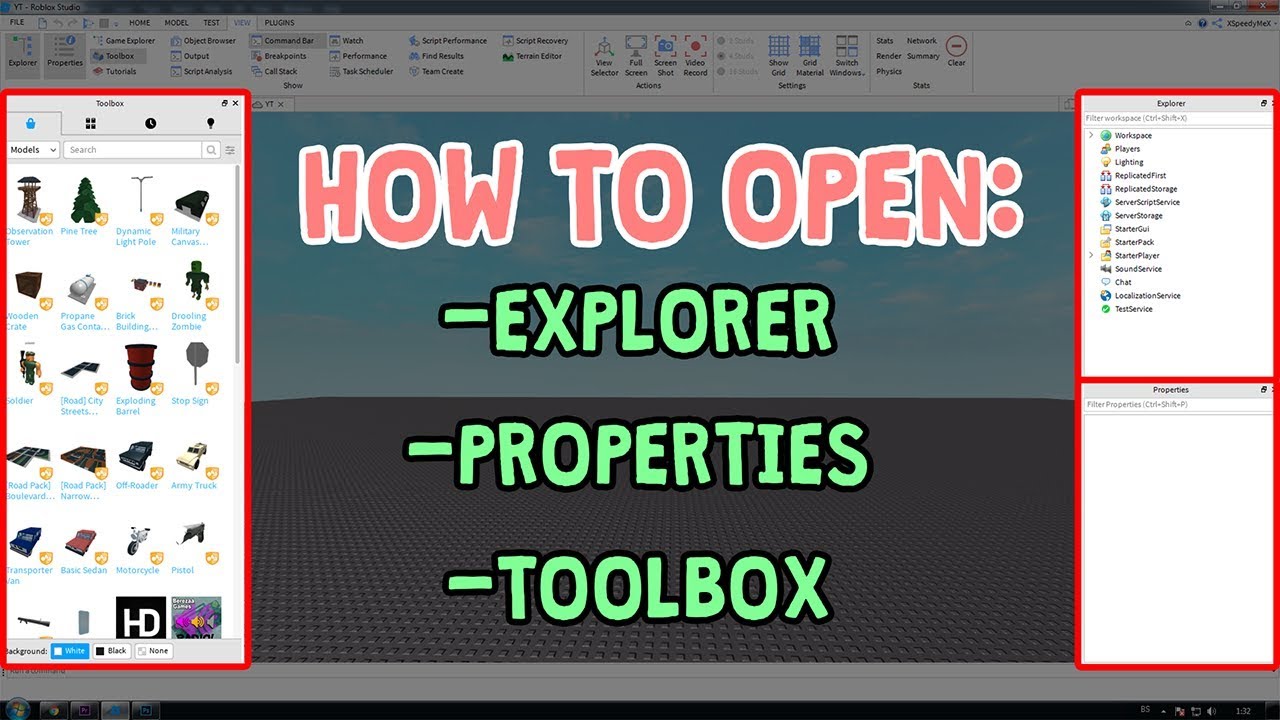



How To Open EXPLORER PROPERTIES And TOOLBOX In Roblox Studio 2020 . How To Open Explorer And Properties Tab In Roblox Studio YouTube . Roblox Studio How To Get Explorer And Properties YouTube . Explorer Window Shown On The Right Side Of Studio S Window Explorer . How To Open Explorer In Roblox Studio YouTube
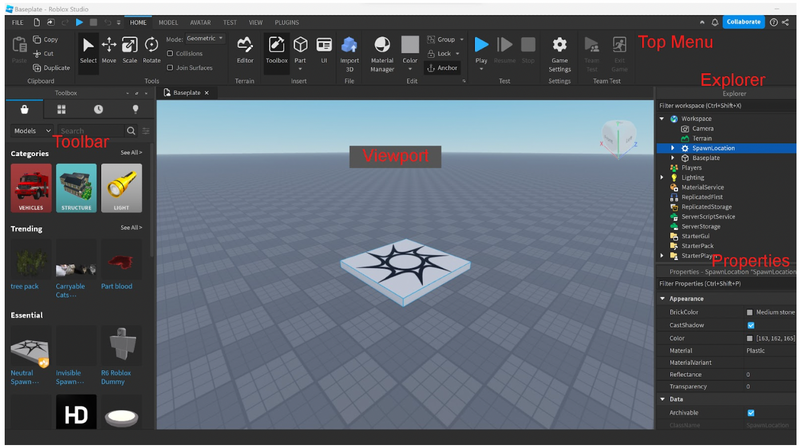


Roblox Studio Detailed Beginner S Guide For Roblox Game Creator Screen Shot 2022 12 20 At 1.49.27 PM . How To Open Explorer In Roblox Studio Playbite How To Open Explorer In Roblox Studio . How To Use Roblox Studio A Step By Step Guide Use Roblox Studio Step 50 . How To Publish A Roblox Game 2026 Complete Roblox Studio Tutorial . How To Open The Explorer Tab In Roblox Studio How To Open The Explorer Tab In Roblox Studio


How To Open Explorer In Roblox Studio H Ng D N Chi Ti T V M O T I U 2 690x350 . How To Open The Explorer Roblox Studio YouTube . Roblox Studio Roblox Studio How To Play Roblox Studio For Windows . How To Open File Explorer In Roblox Studio 2025 YouTube . How To Open The Explorer Tab In Roblox Studio 1656378530 513 How To Open The Explorer Tab In Roblox Studio